AI Image Generators: Key Features
Introduction (Ai Image Generators Key Features)
Ai Image Generators Key Features is a topic worth understanding well. AI image generators have moved beyond simple photo edits to become powerful creative assistants. They translate text prompts into visual assets, enabling designers, marketers, and hobbyists to produce artwork in seconds. In 2026, the market offers a range of tools that differ in realism, style flexibility, and integration options. Understanding the core features helps users pick the right platform for their needs. This guide breaks down the most important capabilities, showcases examples, and highlights the leading options on the market.
Core Features of Modern AI Image Generators
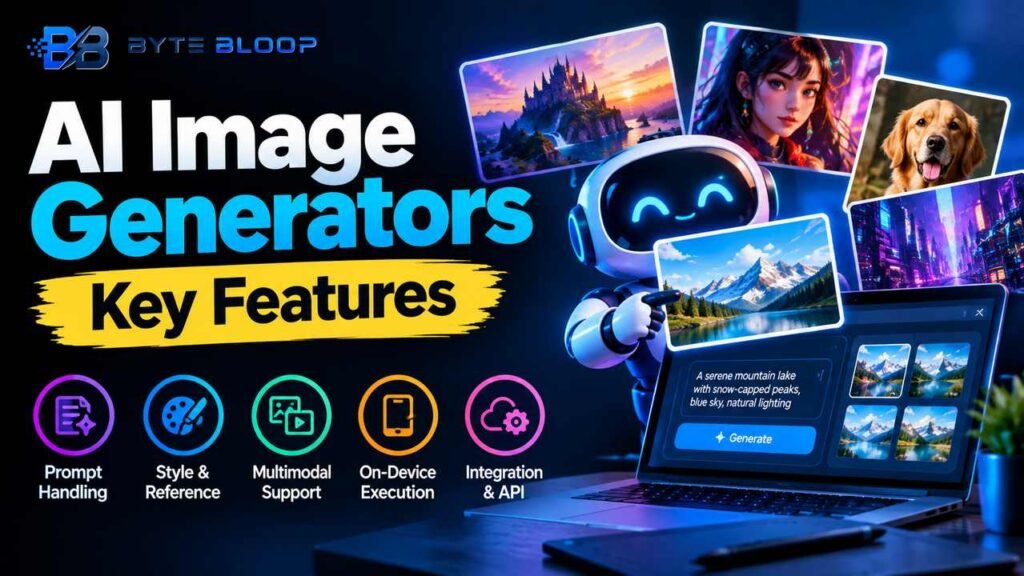
Prompt Complexity Handling is the foundation of any generator. Tools like ChatGPT Images and Midjourney can parse detailed narratives, while others focus on concise prompts. According to The 8 best AI image generators in 2026, ChatGPT remains the best overall for prompt adherence.
Style & Reference Systems allow users to steer output toward specific aesthetics. Version 7 of leading models introduced Style Reference and Omni Reference, improving photorealism and character consistency, as noted in The Best AI Image Generators in 2026.
Multimodal Capabilities let generators combine text, image, and video. The 10 Best AI Image Generators in 2026 highlight tools that now support video generation, expanding creative possibilities.
This matters directly for anyone exploring ai image generators key features.
On-Device Execution is a growing trend. New models can run locally on smartphones, reducing latency and privacy concerns, per 10 Best AI Image Generators in 2026.
Integration & API Access is critical for developers. Platforms like Adobe Firefly and Ideogram offer robust APIs, enabling seamless workflow automation.
Getting ai image generators key features right can make a real difference.
Top Tools and Their Distinct Strengths
ChatGPT Images excels in prompt adherence and natural language understanding. It is ideal for quick concept sketches and marketing copy visualizations.
Midjourney delivers artistic and surreal results, favored by illustrators and concept artists.
That is a core part of understanding ai image generators key features.
Nano Banana is tailored for Google users, leveraging Gemini 3 for high-quality outputs and offering a Pro tier for enterprise needs.
Recraft V4 focuses on professional design, providing templates and brand consistency tools.
Many readers look into ai image generators key features for exactly this reason.
Adobe Firefly Image Model 5 integrates deeply with Creative Cloud, making it a natural choice for designers already in Adobe’s ecosystem.
Practical Use Cases
Marketing & Advertising – Generate banner images, social media graphics, and ad mockups quickly.
It is worth revisiting ai image generators key features as things develop.
Product Design – Visualize prototypes and packaging concepts without a full design team.
Entertainment & Media – Create concept art, storyboards, and even short video clips.
Ai Image Generators Key Features remains highly relevant here.
Education & Research – Produce visual aids, infographics, and experimental art for academic projects.
Pricing Overview
Many generators offer tiered plans. ChatGPT Images has a free tier with limited daily usage, while Nano Banana Pro charges a monthly fee for higher resolution and priority access. Adobe Firefly’s pricing aligns with Creative Cloud subscriptions, and Midjourney offers monthly and yearly plans based on prompt credits.
This is a key consideration when it comes to ai image generators key features.
Choosing the Right Generator
Start by defining your primary goal: artistic expression, brand consistency, or rapid prototyping. Evaluate the prompt complexity your team can manage, the need for on-device privacy, and integration with existing tools. Test free trials to gauge output quality and workflow fit.
Future Trends
Generative AI is moving toward real-time collaboration, where multiple users can co-create images in a shared workspace. Edge AI will enable richer offline experiences, and new licensing models will address copyright concerns for generated content.
Key Takeaways
- Prompt complexity handling varies across tools
- Style reference systems boost realism
- Multimodal and on-device capabilities are emerging trends
- Integration with existing workflows matters
- Pricing models differ by feature set
Frequently Asked Questions
What is an AI image generator?
An AI image generator is a software that creates visual content from text prompts using machine learning models.
What are the key features of AI image generators?
Key features include prompt complexity handling, style/reference systems, multimodal support, on-device execution, and API integration.
What are the best use cases for AI image generators?
They are ideal for marketing graphics, product design, entertainment art, and educational visual aids.
What are the pros and cons of using AI image generators?
Pros: rapid creation, cost savings, creative flexibility. Cons: potential quality inconsistency, copyright ambiguity, and limited control over fine details.
Conclusion
Based on the available information and industry analysis, AI image generators in 2026 provide a versatile toolkit that blends rapid production with artistic control, enabling professionals across sectors to innovate faster while navigating emerging ethical and technical challenges.
Related Reading
- Choosing the Right AI Tool for Your Design Workflow
Sources & References
- The 8 best AI image generators in 2026 — ChatGPT for the best AI image generator overall
- The Best AI Image Generators in 2026 — Version 7 brought stronger photorealism and better character consistency through its Style Reference and Omni Reference systems
Related Articles