Newsletter Platforms: Explained | ByteBloop Guide
Newsletter Platforms: Explained Introduction In today’s digital landscape, email newsletters remain a cornerstone of direct communication between brands and audiences. A newsletter platform is a…
Newsletter Platforms: Explained Introduction In today’s digital landscape, email newsletters remain a cornerstone of direct communication between brands and audiences. A newsletter platform is a…
Email Services: Explained Introduction Email has been a cornerstone of digital communication since the early days of the Internet, enabling instant, global exchanges of information….
Website Builders: Explained Introduction Website builders are web‑based platforms that let anyone create and publish a site without writing code. They combine drag‑and‑drop editors, pre‑designed…
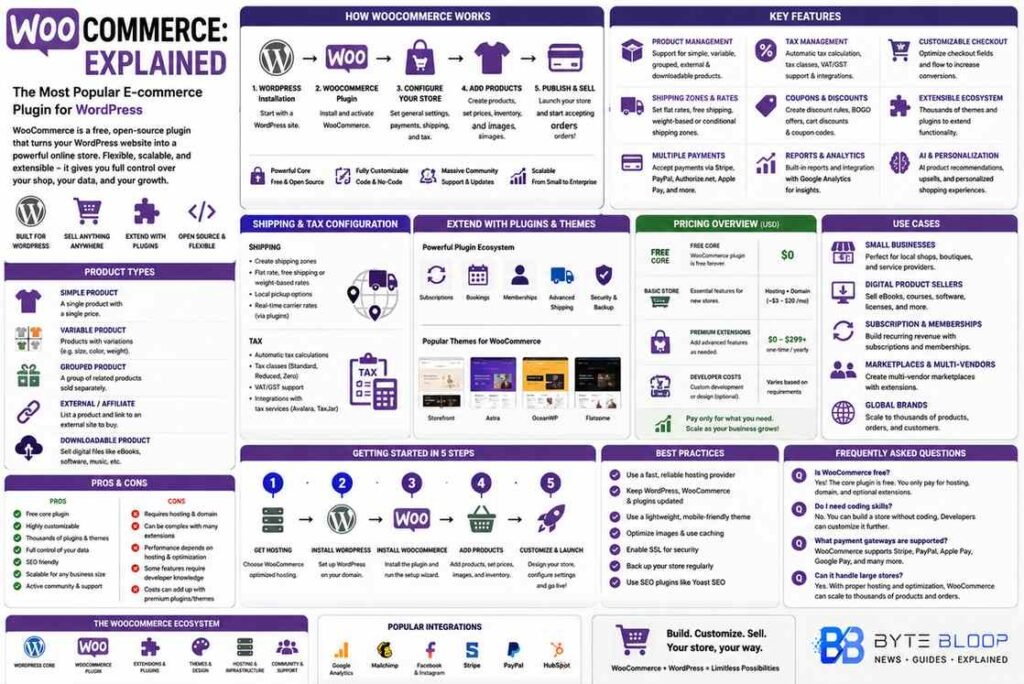
WooCommerce: Explained Introduction WooCommerce is the most popular open‑source e‑commerce plugin for WordPress, powering over a million online stores worldwide. Launched in 2011, it transforms…

Shopify: Explained Introduction Shopify has become synonymous with e‑commerce success, offering a cloud‑based platform that lets anyone launch an online storefront without writing a single…
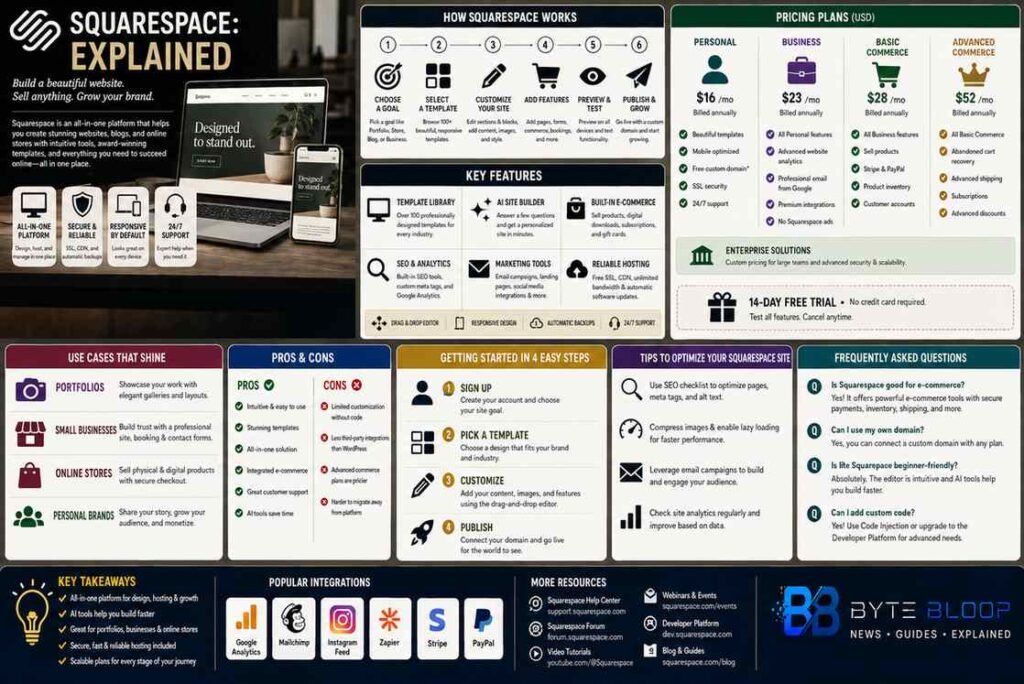
Squarespace: Explained Introduction Squarespace has become a go‑to platform for anyone looking to launch a polished online presence without diving into code. Since its 2004…
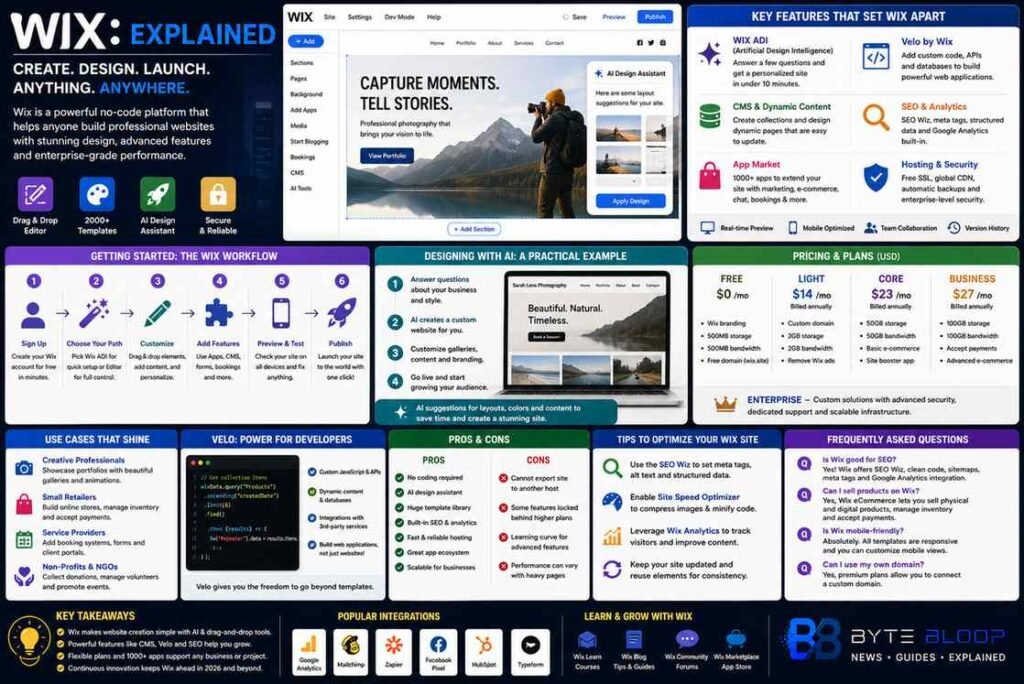
Wix: Explained Introduction Wix has evolved from a simple drag‑and‑drop builder into a full‑stack platform that powers millions of websites worldwide. Its promise is clear:…
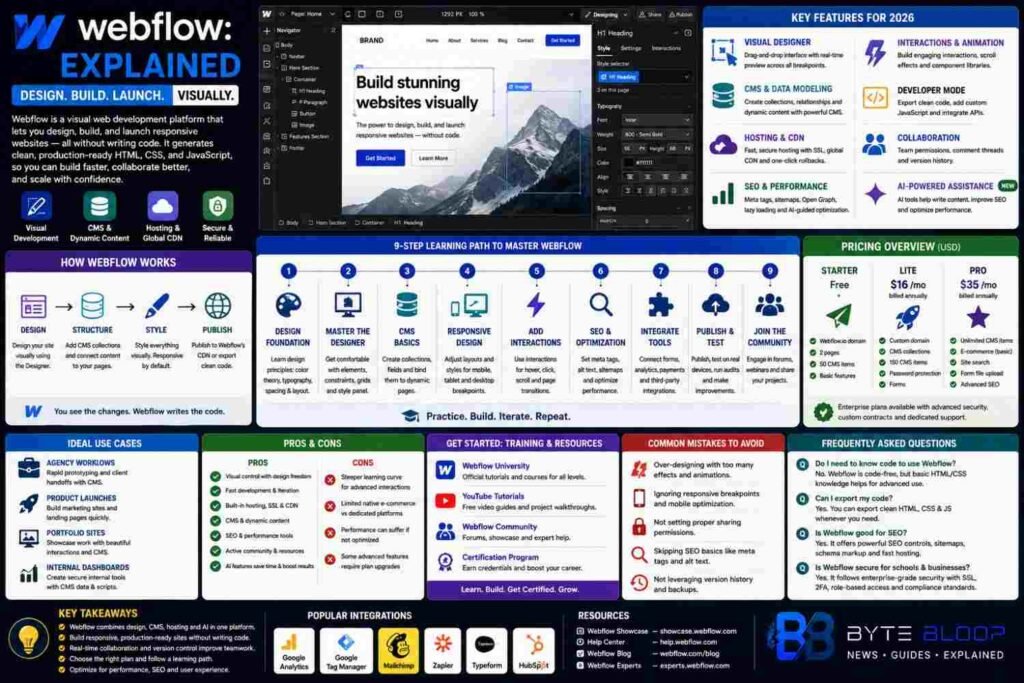
Webflow: Explained Introduction Webflow is a visual web development platform that empowers designers and developers to create fully responsive websites without writing code. The platform…
WordPress: Explained Introduction WordPress has become the backbone of the modern web, powering everything from personal blogs to enterprise portals. At its core, it is…
Web APIs: Explained Introduction Web APIs, short for Web Application Programming Interfaces, are the invisible bridges that let software systems talk to each other over…