Learning Platforms: Explained
Introduction
Learning platforms have revolutionized the way we learn and acquire new skills. With the rise of online learning, these platforms have become an essential tool for individuals, educators, and organizations. A learning platform is a software application that enables the creation, delivery, and management of online courses, training programs, and educational content. It provides a comprehensive suite of tools and features that facilitate learning, assessment, and feedback. The primary goal of a learning platform is to provide a personalized and engaging learning experience for users. Learning platforms can be used in various contexts, including education, corporate training, and personal development. They offer a range of benefits, including flexibility, accessibility, and cost-effectiveness.
The significance of learning platforms cannot be overstated. They have transformed the way we learn and have made it possible for people to access high-quality educational content from anywhere in the world. With the increasing demand for online learning, the market for learning platforms has grown exponentially. There are numerous learning platforms available, each with its unique features and functionalities. Some popular learning platforms include Udemy, Coursera, and LinkedIn Learning. These platforms offer a wide range of courses and programs in various fields, including technology, business, and creative skills. When selecting a learning platform, it is essential to consider factors such as user experience, content quality, and technical support.
Key Features of Learning Platforms
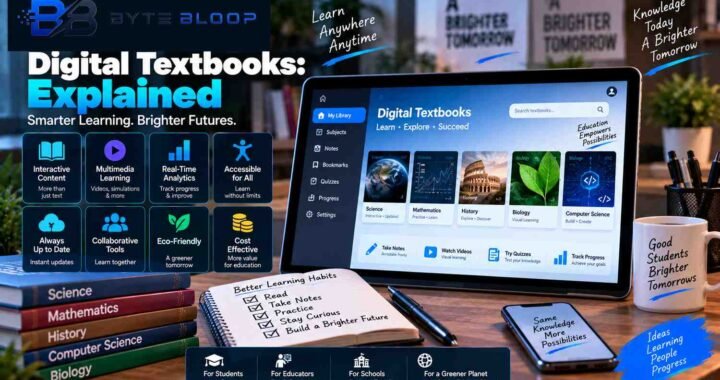
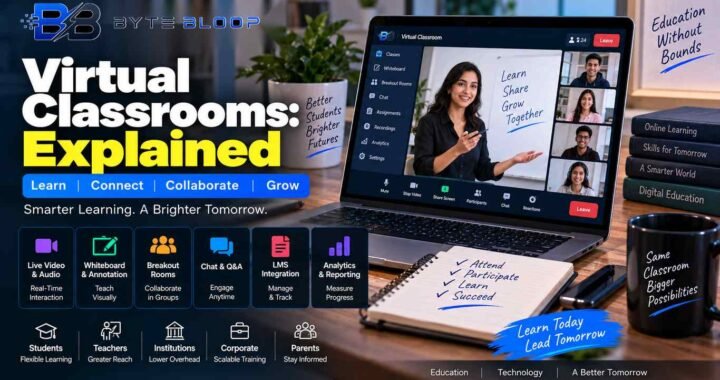
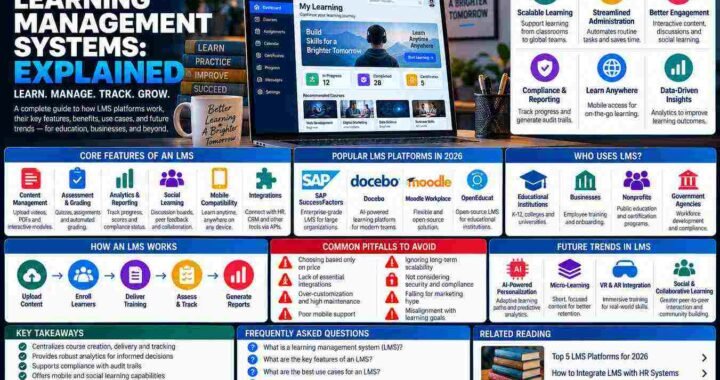
Learning platforms typically offer a range of features that facilitate learning and engagement. Some common features include course creation tools, assessment and feedback mechanisms, discussion forums, and progress tracking. They also provide analytics and reporting tools that enable educators and administrators to monitor user activity and measure learning outcomes. Additionally, many learning platforms offer mobile accessibility, allowing users to access courses and content on-the-go. The features and functionalities of learning platforms can vary depending on the specific platform and its intended use case.
Types of Learning Platforms
There are several types of learning platforms, including massive open online courses (MOOCs), learning management systems (LMS), and adaptive learning platforms. MOOCs are designed for large-scale online courses and offer a range of features, including video lectures, discussion forums, and assessment tools. LMS platforms are used for managing and delivering online courses, and often include features such as course creation, grading, and reporting. Adaptive learning platforms use artificial intelligence and machine learning to provide personalized learning experiences for users.
Benefits of Learning Platforms
Learning platforms offer numerous benefits, including increased accessibility, flexibility, and cost-effectiveness. They enable users to access high-quality educational content from anywhere in the world, at any time. This makes it possible for people to learn and acquire new skills, regardless of their geographical location or financial situation. Learning platforms also provide a range of tools and features that facilitate engagement and interaction, including discussion forums, live chats, and video conferencing. Furthermore, they offer a range of analytics and reporting tools that enable educators and administrators to monitor user activity and measure learning outcomes.
Best Practices for Using Learning Platforms
To get the most out of learning platforms, it is essential to follow best practices, including setting clear learning objectives, providing high-quality content, and encouraging user engagement. Educators and administrators should also use analytics and reporting tools to monitor user activity and measure learning outcomes. Additionally, they should provide technical support and ensure that the platform is user-friendly and accessible. By following these best practices, users can maximize the benefits of learning platforms and achieve their learning goals.
Learning platforms have the potential to transform the way we learn and acquire new skills. With their range of features and functionalities, they offer a personalized and engaging learning experience for users. As the demand for online learning continues to grow, the market for learning platforms is likely to expand, with new and innovative platforms emerging to meet the needs of learners and educators.
Key Takeaways
- Learning platforms provide a comprehensive suite of tools and features that facilitate learning, assessment, and feedback
- They offer a range of benefits, including flexibility, accessibility, and cost-effectiveness
- There are several types of learning platforms, including MOOCs, LMS, and adaptive learning platforms
- Learning platforms can be used in various contexts, including education, corporate training, and personal development
- To get the most out of learning platforms, it is essential to follow best practices, including setting clear learning objectives and providing high-quality content
Frequently Asked Questions
What is a learning platform?
A learning platform is a software application that enables the creation, delivery, and management of online courses, training programs, and educational content
What are the key features of learning platforms?
Learning platforms typically offer a range of features, including course creation tools, assessment and feedback mechanisms, discussion forums, and progress tracking
What are the benefits of using learning platforms?
Learning platforms offer numerous benefits, including increased accessibility, flexibility, and cost-effectiveness
What are the best use cases for learning platforms?
Learning platforms can be used in various contexts, including education, corporate training, and personal development
How can I choose the right learning platform for my needs?
When selecting a learning platform, it is essential to consider factors such as user experience, content quality, and technical support
Conclusion
Based on the available information and industry analysis, learning platforms provide a personalized and engaging learning experience for users, with numerous benefits, including flexibility, accessibility, and cost-effectiveness, and are likely to continue to transform the way we learn and acquire new skills.
Related Reading
- The Future of Online Learning
- How to Create Effective Online Courses