Online Courses: Explained
Introduction
Online courses have revolutionized the way we learn, providing flexibility and accessibility to education. With the rise of digital platforms, it’s now possible to take courses from anywhere in the world, at any time. This shift has opened up new opportunities for people who may not have had access to traditional educational institutions. Online courses cover a wide range of subjects, from artificial intelligence and machine learning to business and management, cybersecurity, and more. The popularity of online courses can be attributed to their flexibility, affordability, and the ability to learn at one’s own pace. Many online courses are designed to be interactive, with features such as video lectures, quizzes, and discussion forums. According to recent studies, the demand for online courses is on the rise, with many students opting for online learning due to its convenience and flexibility. As technology continues to advance, it’s likely that online courses will become even more sophisticated, incorporating features such as virtual reality and artificial intelligence.
The concept of online courses is not new, but it has gained significant traction in recent years. With the help of learning management systems (LMS) and online platforms, creating and taking online courses has become easier than ever. Many educational institutions and organizations are now offering online courses, providing students with a wide range of options to choose from. Online courses can be used for various purposes, such as earning college credits, preparing for exams, or acquiring new skills. They can also be used for professional development, helping individuals to advance in their careers. Some popular online course platforms include Coursera, Udemy, and Study.com, which offer a wide range of courses and programs. These platforms provide students with the opportunity to learn from experienced instructors and industry experts, and to connect with other students from around the world.
How Online Courses Work
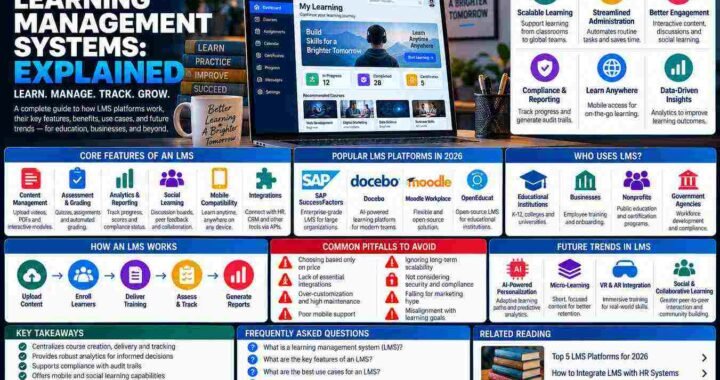
Online courses typically consist of a series of lessons or modules, which are delivered through a learning management system (LMS). Students can access the course materials, which may include video lectures, readings, and assignments, at any time. Many online courses also include interactive features, such as discussion forums, live chats, and quizzes. Some online courses may require students to complete assignments or projects, which are then reviewed by the instructor. Online courses can be self-paced, allowing students to complete the course on their own schedule, or they may have a set schedule, with deadlines for completing assignments and participating in discussions.
Benefits of Online Courses
Online courses offer many benefits, including flexibility, affordability, and accessibility. They provide students with the opportunity to learn from anywhere in the world, at any time, and to complete courses on their own schedule. Online courses can also be more affordable than traditional courses, as they often do not require students to pay for transportation or housing. Additionally, online courses can provide students with access to a wider range of courses and programs, which may not be available in their local area. Some online courses also offer the opportunity to earn credits or certifications, which can be beneficial for career advancement.
Popular Online Courses
There are many popular online courses available, covering a wide range of subjects. Some of the most popular online courses include those in artificial intelligence and machine learning, business and management, cybersecurity, and data science. These courses are often in high demand, as they provide students with the skills and knowledge needed to succeed in today’s fast-paced and rapidly changing job market. Other popular online courses include those in creative fields, such as writing, design, and photography. These courses provide students with the opportunity to develop their creative skills and to build a portfolio of work.
Creating Online Courses
Creating online courses can be a complex process, requiring careful planning and execution. It involves developing a clear outline of the course content, creating engaging and interactive course materials, and setting up a learning management system (LMS) to deliver the course. Many online course creators use platforms such as Udemy or Teachable to host their courses, as these platforms provide a range of tools and features to help create and deliver online courses. When creating an online course, it’s essential to consider the needs and goals of the target audience, as well as the technical requirements for delivering the course.
- Choose a topic for the course
- Develop a clear outline of the course content
- Create engaging and interactive course materials
- Set up a learning management system (LMS) to deliver the course
Key Takeaways
- Online courses provide flexibility and accessibility to education
- They cover a wide range of subjects, including artificial intelligence, business, and cybersecurity
- Online courses can be used for various purposes, such as earning college credits or acquiring new skills
- They offer many benefits, including affordability and the opportunity to learn from experienced instructors
- Popular online courses include those in artificial intelligence, business, and creative fields
Frequently Asked Questions
What is an online course?
An online course is a course that is delivered through the internet, allowing students to learn from anywhere in the world, at any time.
What are the benefits of online courses?
Online courses offer many benefits, including flexibility, affordability, and accessibility to education.
What types of online courses are available?
There are many types of online courses available, covering a wide range of subjects, including artificial intelligence, business, and creative fields.
How do online courses work?
Online courses typically consist of a series of lessons or modules, which are delivered through a learning management system (LMS).
What are the requirements for creating an online course?
Creating an online course requires careful planning and execution, including developing a clear outline of the course content, creating engaging and interactive course materials, and setting up a learning management system (LMS) to deliver the course.
What are the best online course platforms?
Some popular online course platforms include Coursera, Udemy, and Study.com, which offer a wide range of courses and programs.
Conclusion
Based on the available information and industry analysis, online courses provide a flexible and accessible way to learn, with a wide range of subjects and courses available. As technology continues to advance, it’s likely that online courses will become even more sophisticated, incorporating features such as virtual reality and artificial intelligence.
Related Reading
- The Future of Online Learning
- The Benefits of Online Education