Science Learning: Explained
Introduction
Science learning is the process by which students acquire the knowledge, skills, and attitudes needed to understand the natural world. It goes beyond memorizing facts; it involves questioning, experimenting, and connecting ideas across disciplines. In today’s data‑rich classrooms, educators are re‑imagining science instruction to align with national standards like NGSS and to harness technology for deeper inquiry. Effective science learning also supports critical thinking, problem‑solving, and lifelong curiosity—skills that are increasingly valued in the modern workforce. Yet many teachers face challenges such as limited resources, fragmented curricula, and a need for professional development. By understanding the core principles of science learning and applying evidence‑based practices, schools can create environments where every student thrives. This guide breaks down the essential components, offers real‑world examples, and highlights actionable steps for educators and parents alike.
What Science Learning Actually Means
At its heart, science learning is a blend of content knowledge, procedural skills, and scientific reasoning. Students learn content—the facts and concepts that describe the world. They develop procedures—the methods of inquiry, such as designing experiments or using measurement tools. Finally, they cultivate reasoning—the ability to analyze data, construct explanations, and evaluate evidence. This tripartite model is reflected in the National Science Teaching Association’s framework and is echoed in recent guidance reports on primary science.
Evidence‑Based Recommendations for Primary Science
Research from the Education Endowment Foundation recommends six practical actions to improve primary science. First, embed hands‑on investigations that let students manipulate materials and observe outcomes. Second, provide structured opportunities for reflection, where learners articulate what they discovered and why it matters. Third, integrate cross‑curricular links, such as connecting biology lessons to literacy by reading scientific texts. Fourth, use formative assessment tools—think‑alouds, exit tickets, or digital quizzes—to gauge understanding in real time. Fifth, foster a classroom culture that values curiosity over correctness, encouraging students to ask “why” and “how.” Sixth, invest in teacher professional development focused on inquiry pedagogy and data‑driven instruction. When schools adopt these strategies, student engagement and achievement tend to rise.
Modern Tools and Programs
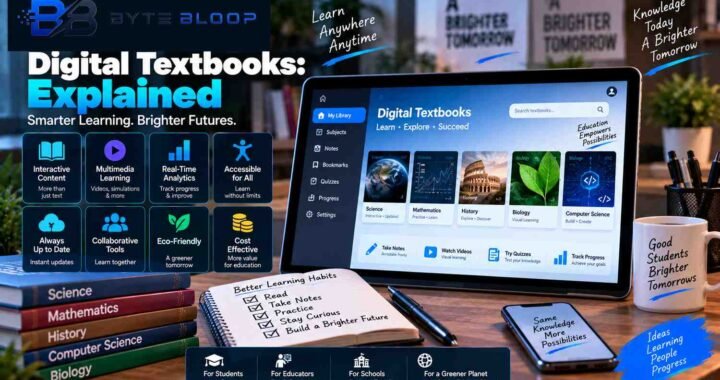
Discovery Education’s upcoming Science Techbook program, aligned with NGSS, exemplifies how technology can amplify learning. The program offers interactive simulations, real‑time data collection, and scaffolded lesson plans that allow teachers to customize content for diverse learners. Meanwhile, digital platforms like the Science Techbook provide analytics dashboards, enabling educators to track progress and adjust instruction on the fly. In rural India, similar digital initiatives have transformed classrooms by offering remote mentorship and virtual labs, illustrating the global reach of tech‑enabled science education.
Curriculum Alignment and Standards
Curricula such as the UK’s Key Stage 3 Science Overview and the U.S. NGSS outline a progression of concepts that build from simple observations to complex systems. Aligning classroom activities with these standards ensures that students develop a coherent body of knowledge. For example, a lesson on ecosystems can be scaffolded to cover biodiversity, energy flow, and human impacts, each tied to specific NGSS performance expectations. Teachers should also leverage the Institute of Education Sciences’ practice guides, which provide evidence‑based recommendations for curriculum design and assessment.
Practical Classroom Strategies
1. Inquiry Circles—students pose a question, design a simple experiment, and share results in small groups.
2. Data Journals—students record observations, graph results, and reflect on patterns.
3. Cross‑Disciplinary Projects—integrate math by calculating rates of change, or language arts by writing scientific reports.
4. Technology Integration—use mobile sensors to capture temperature changes or drones to observe weather patterns.
5. Community Partnerships—invite local scientists or use citizen science projects to bring real‑world relevance.
Common Mistakes to Avoid
Many classrooms fall into the trap of lecture‑heavy instruction, which limits student engagement. Overreliance on textbook content can also stifle creativity. Additionally, neglecting formative assessment means teachers miss early signs of misunderstanding. Finally, failing to connect science to students’ lives reduces motivation. By focusing on inquiry, reflection, and relevance, educators can counter these pitfalls.
Measuring Success
Assessment in science should balance content mastery with process skills. Standardized tests capture knowledge, but classroom portfolios, project rubrics, and peer reviews reveal deeper competencies. The 2026 UNESCO Survey of Formal Education provides benchmarks that schools can use to compare performance and identify gaps. Continuous data collection and responsive instruction are key to sustaining improvement.
Key Takeaways
- Science learning blends content, procedure, and reasoning.
- Evidence‑based practices boost engagement and achievement.
- Digital tools like Science Techbook enhance inquiry and data analysis.
- Curriculum alignment ensures coherent progression of concepts.
- Avoid lecture‑heavy instruction; prioritize student inquiry and reflection.
Frequently Asked Questions
What is science learning explained?
Science learning explained refers to the integrated process of acquiring scientific knowledge, developing investigative skills, and cultivating reasoning abilities that enable students to understand and explore the natural world.
What are the key features of effective science instruction?
Effective science instruction includes hands‑on inquiry, structured reflection, cross‑curricular links, formative assessment, a curiosity‑driven classroom culture, and ongoing teacher professional development.
What are the best use cases for technology in science education?
Technology is best used for interactive simulations, real‑time data collection, analytics dashboards, virtual labs, and connecting students to citizen science projects, all of which support inquiry and personalized learning.
What are the pros and cons of relying on standardized tests for science assessment?
Pros include benchmarking and comparability; cons involve limited insight into process skills, potential teaching to the test, and neglect of creativity and inquiry.
Conclusion
Based on the available information and industry analysis, science learning provides a robust framework that blends content knowledge, procedural skills, and scientific reasoning, enabling students to engage deeply with the natural world and develop critical thinking abilities essential for the 21st‑century economy.
Related Reading
- How to Design Inquiry‑Based Science Lessons