
AI RAG Systems: Explained
AI RAG Systems: Explained Introduction What Is a RAG System? Retrieval Augmented Generation, or RAG, marries a large language model (LLM) with an external knowledge…
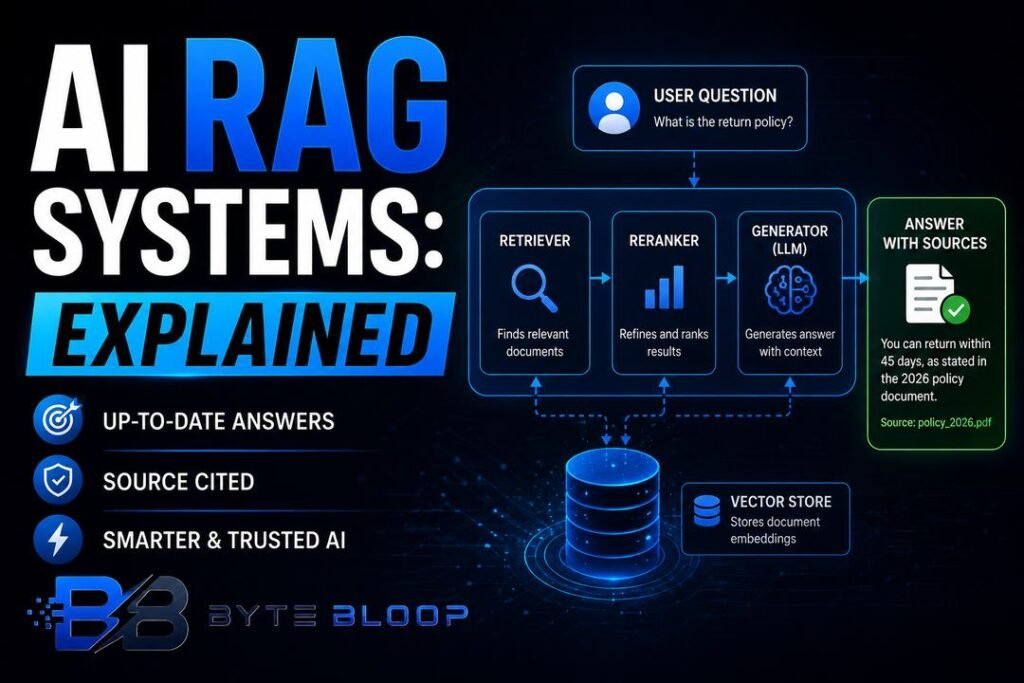
AI RAG Systems: Explained Introduction What Is a RAG System? Retrieval Augmented Generation, or RAG, marries a large language model (LLM) with an external knowledge…

AI Hallucinations Explained Introduction Artificial intelligence has surged into everyday life, from chatbots that draft emails to generative models that paint images. Yet a growing…
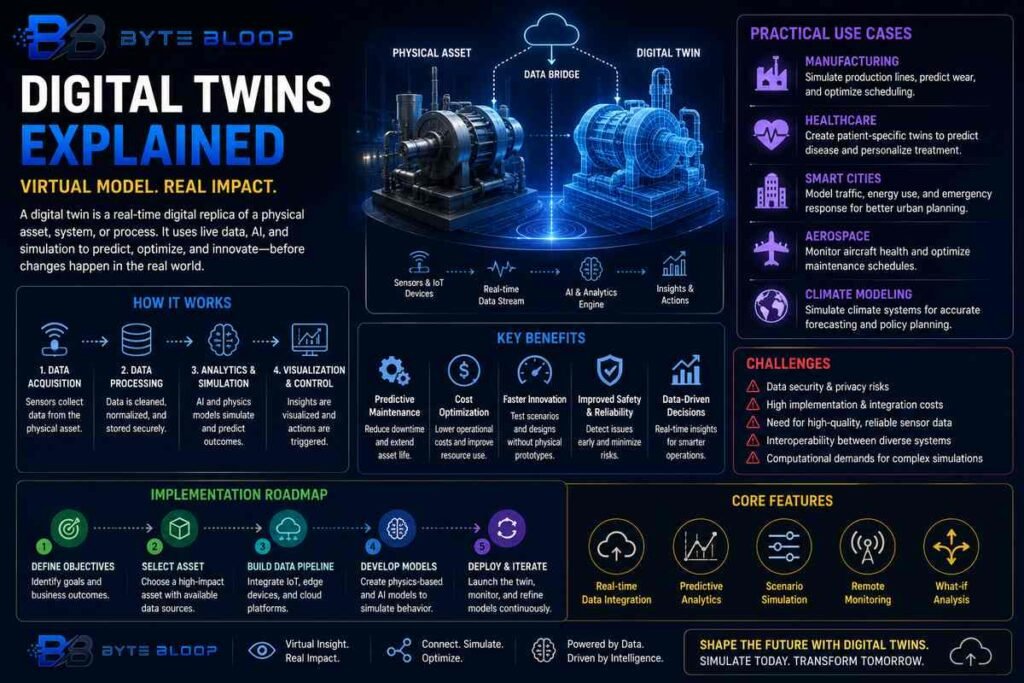
Digital Twins: Explained Introduction Digital twins are more than a buzzword; they are a digital replica of a physical object, system, or process that mirrors…
Smart Cities: Explained Introduction Smart cities are more than a buzzword; they represent a paradigm shift in urban planning where data, connectivity, and digital services…
Inventory Management: Explained Introduction Inventory management is the backbone of any operation that deals with physical goods. It involves acquiring, storing, tracking, and ultimately moving…
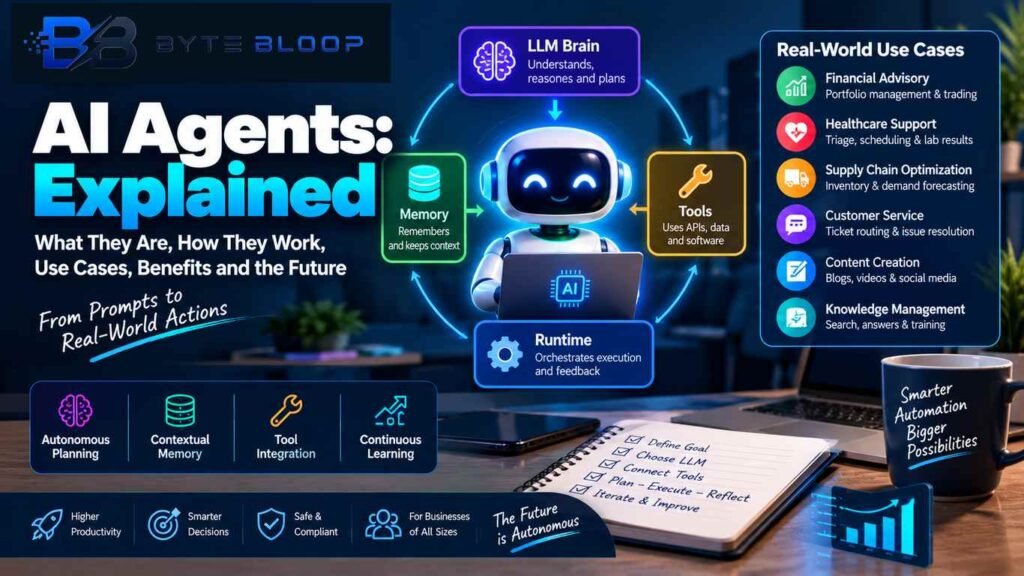
AI Agents Explained: 10 Key Components, Use Cases & Safety in 2026 Introduction AI agents explained in simple terms, they are software systems that can…
Generative AI: Explained Introduction Generative AI has moved from a niche research topic to a mainstream technology reshaping how we create and consume content. At…
Deep Learning: Explained Introduction Deep learning has become the engine behind many of the most impressive artificial intelligence breakthroughs of the last decade. At its…

Business Websites: Explained Introduction In today’s digital economy, a business website is no longer an optional asset—it’s a core component of brand strategy, customer engagement,…
Computer Vision: Explained Introduction Computer vision is a branch of artificial intelligence that equips machines with the ability to interpret visual data—images and video—much like…