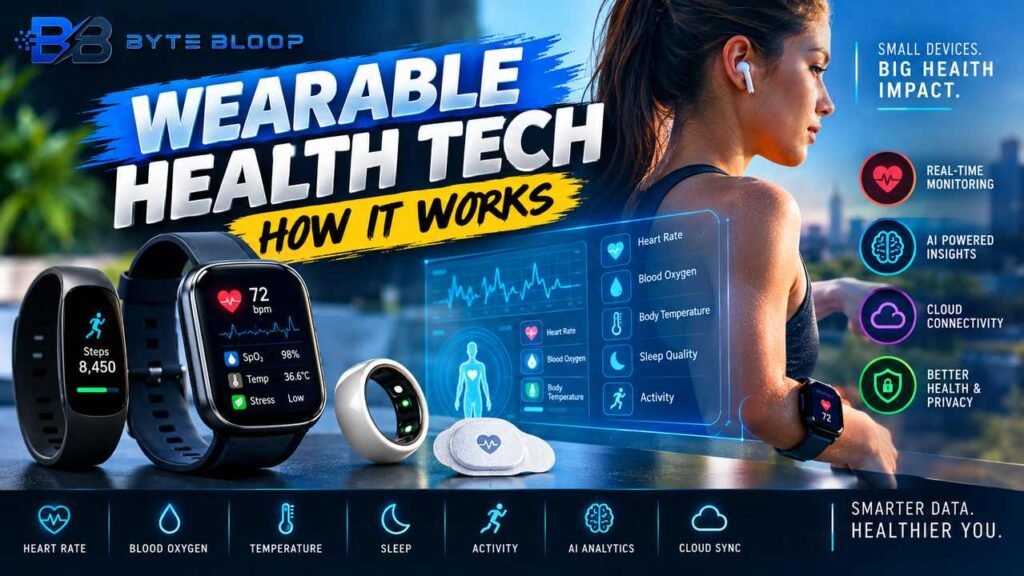
Wearable Health Tech: How It Works
Introduction (Wearable Health Tech How It Works)
Wearable Health Tech How It Works is a topic worth understanding well. Wearable health technology has moved beyond fitness bands into a sophisticated ecosystem that blends sensor science, artificial intelligence, and cloud connectivity. These devices—watches, patches, smart glasses, and even smart textiles—continuously gather biometric data such as heart rate, blood oxygen, skin temperature, and motion patterns. By transmitting this information to mobile apps or cloud servers, algorithms can detect anomalies, predict health events, and offer personalized recommendations.
The result is a shift from reactive to proactive care, allowing patients and clinicians to intervene before symptoms worsen. Moreover, the integration of wearable data into electronic health records is streamlining clinical workflows and improving treatment outcomes. As the market expands, manufacturers are focusing on comfort, battery life, and data security to meet consumer expectations. Finally, regulatory frameworks are evolving to ensure that these devices meet medical‑grade standards while protecting user privacy.
All of this underscores why understanding how wearable health tech works is essential for anyone navigating the future of personal wellness.
Core Components of a Wearable Health Device
At its heart, a wearable health device consists of three layers: sensors, data processing, and connectivity.
- Sensors capture raw physiological signals. Common types include photoplethysmography (PPG) for heart rate, electrocardiography (ECG) for electrical heart activity, galvanic skin response for stress, and accelerometers for movement.
- Data processing occurs either on the device (edge computing) or in the cloud. On‑device processing reduces latency and conserves battery, while cloud processing enables more complex machine‑learning models.
- Connectivity links the device to smartphones, Wi‑Fi, or cellular networks. Bluetooth Low Energy (BLE) is standard for short‑range communication, while newer wearables may use 5G for real‑time data streaming.
From Raw Data to Insight: The AI Engine
Raw sensor data is noisy and voluminous. AI algorithms clean, segment, and interpret this data to extract clinically relevant metrics. For example, a smartwatch may use deep‑learning models to differentiate atrial fibrillation from sinus rhythm by analyzing irregular pulse intervals. According to the study “Overview of the future impact of wearables and artificial …” by PA LaBoone, AI analysis enables real‑time monitoring that can lead to early detection of illnesses and reduce the need for in‑person visits.
This matters directly for anyone exploring wearable health tech how it works.
Predictive Analytics
Beyond immediate metrics, wearables can predict health events. By aggregating longitudinal data, algorithms can forecast the likelihood of a heart attack, a glucose spike, or a sleep disorder. This predictive capability is a cornerstone of preventive medicine, allowing interventions such as medication adjustments or lifestyle coaching before a crisis occurs.
Getting wearable health tech how it works right can make a real difference.
Personalized Coaching
Data insights are often translated into actionable advice. A fitness tracker might suggest a 5‑minute walk when it detects prolonged inactivity, while a glucose monitor can recommend carbohydrate intake when blood sugar trends downward. These nudges are tailored to individual baselines, making them more effective than generic health tips.
That is a core part of understanding wearable health tech how it works.
Emerging Trends Shaping the Future
Several innovations are poised to redefine wearable health tech in the coming years.
Many readers look into wearable health tech how it works for exactly this reason.
- Advanced Materials: Smart contact lenses and e‑tattoos use flexible electronics that conform to skin or ocular surfaces, providing unobtrusive monitoring.
- Edge AI: On‑device inference reduces dependency on cloud connectivity, enhancing privacy and enabling instant alerts.
- Integrated Health Ecosystems: Wearables are increasingly interoperable with electronic health records, allowing clinicians to review patient data during consultations.
- Regulatory Alignment: As devices gain medical‑grade status, standards for accuracy, safety, and data handling are tightening, fostering greater consumer trust.
Practical Use Cases
Wearable health tech is already transforming several domains:
It is worth revisiting wearable health tech how it works as things develop.
- Chronic Disease Management: Continuous glucose monitors (CGMs) give diabetics real‑time feedback, reducing hypoglycemic episodes.
- Cardiac Care: Wearable ECG patches can detect arrhythmias earlier than routine check‑ups.
- Rehabilitation: Motion sensors track gait and range of motion, enabling therapists to adjust protocols remotely.
- Workplace Wellness: Employers use wearables to monitor employee stress and encourage breaks, improving productivity.
Challenges and Considerations
While the promise is high, several hurdles remain. Battery life, data security, and user adherence are critical. Manufacturers must balance sensor accuracy with comfort to ensure long‑term wear. Additionally, data ownership and interoperability standards are still evolving, requiring collaboration between tech firms, healthcare providers, and regulators.
Wearable Health Tech How It Works remains highly relevant here.
Key Takeaways
- Wearables combine sensors, AI, and connectivity to deliver real‑time health insights
- AI transforms raw data into predictive analytics and personalized coaching
- Emerging materials and edge AI are driving the next generation of unobtrusive wearables
- Wearables are already improving chronic disease management, cardiac care, and workplace wellness
- Regulatory and privacy frameworks are evolving to support medical‑grade wearables
Frequently Asked Questions
What is wearable health tech?
Wearable health tech refers to devices worn on or near the body that collect biometric data, process it, and deliver health insights or alerts.
This is a key consideration when it comes to wearable health tech how it works.
What are the key features of modern wearable health devices?
Key features include multi‑sensor arrays, edge or cloud AI processing, secure connectivity, battery optimization, and integration with health ecosystems.
This matters directly for anyone exploring wearable health tech how it works.
What are the best use cases for wearable health tech?
Chronic disease management, cardiac monitoring, rehabilitation, and workplace wellness are leading applications that benefit from continuous data streams.
Getting wearable health tech how it works right can make a real difference.
What are the pros and cons of using wearable health tech?
Pros include early detection, personalized coaching, and data accessibility. Cons involve battery limitations, data privacy concerns, and the need for regulatory compliance.
Conclusion
Based on the available information and industry analysis, wearable health tech provides a powerful platform for continuous, personalized health monitoring that can transform both individual wellness and clinical care. By harnessing advanced sensors, AI analytics, and seamless connectivity, these devices move healthcare from reactive snapshots to proactive, data‑driven interventions, while emerging trends promise even greater integration and usability in the years ahead.
Related Reading
- Future of Smart Contact Lenses
- Edge AI in Wearables: What You Need to Know
Sources & References
- Overview of the future impact of wearables and artificial …
- 6 Wearable Technology Trends for 2026 and Beyond + …
- Wearable Health Tech & Revolutionising Personal …
- Wearing the Future—Wearables to Empower Users to Take …
- Wearable Technology: Trends, Innovations, and Future …
- The State of Wearable Health Data in 2026
Related Articles