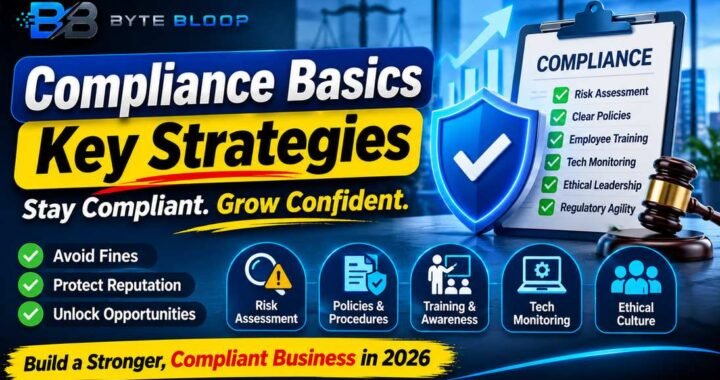
Business Reputation: Key Strategies
Introduction (Business Reputation Key Strategies)
Business Reputation Key Strategies is a topic worth understanding well. In today’s hyperconnected marketplace, a company’s reputation is its most valuable asset. A single negative review can ripple across social media, erode customer trust, and stall growth. Conversely, a strong, positive reputation attracts talent, investors, and repeat business. For small firms and large enterprises alike, managing reputation is no longer optional; it is a strategic imperative that intersects with marketing, operations, and corporate governance.
This guide breaks down the core strategies that businesses use to build, protect, and restore their reputational capital, drawing on recent industry research and real‑world case studies. By the end, you’ll understand how to audit your current standing, leverage local SEO, engage employees, and respond proactively to crises—all while aligning reputation work with broader business goals.
1. Conduct a Reputation Audit
Before you can improve, you must measure. A reputation audit collects data from review sites, social media, news outlets, and internal feedback. According to the Small Business Reputation Management research, an audit should include metrics such as review volume, sentiment, response time, and keyword rankings. The audit reveals gaps—perhaps a high volume of unresolved complaints or a weak presence in niche industry forums. Armed with this data, you can prioritize actions that yield the greatest impact.
2. Optimize Local SEO for Trust Signals
Local search is the front line of reputation. The YouTube guide on building a local SEO strategy for 2026 highlights ten tactics—claiming Google My Business, ensuring NAP consistency, and collecting verified reviews—that boost visibility and credibility. For service‑oriented businesses, a strong local SEO profile translates directly into trust, as potential customers often equate higher rankings with reliability.
This matters directly for anyone exploring business reputation key strategies.
3. Develop a Proactive Crisis Plan
Reputation damage rarely follows a single event; it often accumulates over time. The Reputation Management Strategies 2026 guide recommends five core tactics: monitoring, rapid response, transparent communication, stakeholder engagement, and post‑incident analysis. By scripting responses and assigning roles before a crisis hits, businesses can contain damage and even turn a negative into a demonstration of integrity.
Getting business reputation key strategies right can make a real difference.
4. Leverage Employee Advocacy
Employees are the most authentic brand ambassadors. The 2026 guide on reputation management underscores that employee advocacy can amplify positive stories and counteract misinformation. Implementing internal communication channels, training programs, and incentive structures encourages staff to share customer successes and company milestones on their personal networks.
That is a core part of understanding business reputation key strategies.
5. Integrate Reputation into Business Strategy
Reputation should not live in a silo. The IMD blog on business strategy explains that aligning reputation metrics with KPIs—such as Net Promoter Score, customer lifetime value, and brand equity—ensures that reputation initiatives drive tangible business outcomes. This integration also facilitates resource allocation, allowing firms to invest in high‑return reputation activities.
Many readers look into business reputation key strategies for exactly this reason.
6. Use Technology Wisely
AI‑powered sentiment analysis tools can sift through thousands of mentions in real time, flagging potential issues before they spread. According to the 10 Strategies for Business Growth guide, combining AI monitoring with human oversight creates a balanced approach that scales with business growth while maintaining nuance.
It is worth revisiting business reputation key strategies as things develop.
Key Takeaways
- Audit your reputation to identify gaps
- Optimize local SEO for credibility
- Prepare a crisis response plan
- Empower employees as brand ambassadors
- Align reputation metrics with business KPIs
- Leverage AI for real‑time sentiment monitoring
Frequently Asked Questions
What is a reputation audit?
A reputation audit systematically gathers data from review sites, social media, and internal feedback to assess a company’s current public perception.
Business Reputation Key Strategies remains highly relevant here.
Why is local SEO important for reputation?
Local SEO ensures that your business appears in top search results for location‑based queries, which builds trust and drives foot traffic.
How can employees help protect reputation?
Employees can share positive customer experiences, respond to inquiries, and act as authentic brand ambassadors across their networks.
What are the main components of a crisis plan?
Monitoring, rapid response, transparent communication, stakeholder engagement, and post‑incident analysis.
Conclusion
Based on the available information and industry analysis, reputation management is a strategic discipline that intertwines with marketing, operations, and governance. By conducting thorough audits, optimizing local SEO, preparing proactive crisis plans, engaging employees, and embedding reputation metrics into core KPIs, businesses can transform reputation from a reactive concern into a growth engine.
Related Reading
- How to Build a Local SEO Strategy in 2026
Sources & References
- 10 Strategies for Business Growth: A Practical Guide 2026
- What is a Business Strategy and How to Develop One
Related Articles