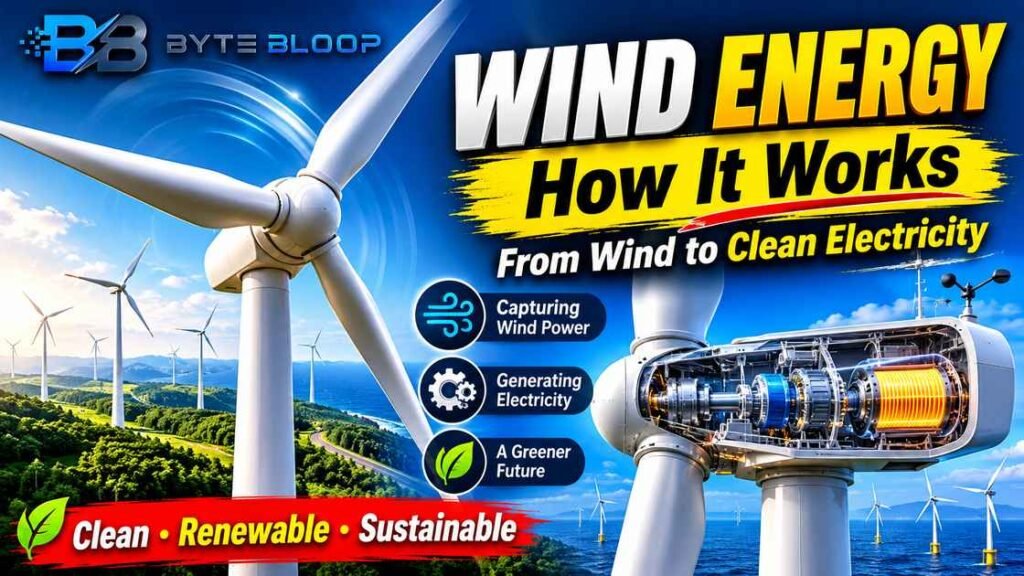
Wind Energy: How It Works
Introduction (Wind Energy How It Works)
Wind Energy How It Works is a topic worth understanding well. Wind energy harnesses the kinetic power of moving air to generate electricity, a process that has evolved from simple sails to sophisticated turbines. Modern wind farms rely on large rotor blades that capture wind energy and convert it into rotational motion, which is then transformed into electrical current by a generator. The efficiency of this conversion depends on blade design, turbine control systems, and site selection, all of which have been refined through decades of scientific research and engineering.
Wind farms now contribute a growing share of global electricity, with offshore installations expanding into deep‑water sites where wind speeds are higher and more consistent. As renewable energy targets tighten, the industry is pushing for smarter grid integration, improved materials, and reduced environmental footprints. Understanding the fundamentals of wind energy is essential for anyone interested in clean technology, energy policy, or the future of power generation. This guide breaks down the key components, operational principles, and emerging innovations that shape the wind energy landscape today.
How Wind Energy Is Captured
The core of a wind turbine is its rotor, typically comprising three blades that are aerodynamically shaped to maximize lift. When wind blows, it creates a pressure differential across the blade surfaces, causing the rotor to spin. The rotational motion is transmitted via a gearbox to a generator, which produces alternating current. In many modern designs, direct‑drive generators eliminate the gearbox, reducing maintenance and increasing reliability.
Key Components of a Turbine
- Rotor blades – long, lightweight structures that capture wind.
- Hub – the central shaft that connects blades to the drivetrain.
- Gearbox – increases rotational speed for the generator (optional in direct‑drive models).
- Generator – converts mechanical energy into electrical energy.
- Control system – monitors wind speed, turbine pitch, and yaw to optimize output.
Optimizing Output with Control Systems
According to the U.S. Department of Energy, coordinating turbine controls to mitigate wake effects can raise a wind farm’s total output by 4%–5%. Wake effects occur when downstream turbines experience reduced wind speed and increased turbulence caused by upstream turbines. Advanced algorithms adjust blade pitch and yaw angles in real time, ensuring each turbine operates near its optimal point. These systems also manage grid frequency and voltage, allowing wind farms to provide ancillary services to power grids.
This matters directly for anyone exploring wind energy how it works.
Onshore vs. Offshore Deployment
Onshore turbines are typically installed on land near existing transmission lines, making them easier to connect to the grid but subject to land use constraints and visual impact concerns. Offshore turbines, by contrast, sit in deep water where wind speeds are steadier and higher, enabling larger rotor diameters and greater power output. Offshore farms also face harsher marine environments, requiring corrosion‑resistant materials and robust mooring systems. Both configurations benefit from advances in blade aerodynamics and lightweight composites, which reduce material costs and improve energy capture.
Getting wind energy how it works right can make a real difference.
Future Trends in Wind Technology
Research indicates that wind energy will become one of the most cost‑effective sources of electrical power in the coming decades. Innovations include floating offshore platforms that allow turbines to operate in deeper waters, and bladeless turbines that reduce noise and wildlife impacts. Additionally, digital twins—virtual replicas of turbines—enable predictive maintenance, shortening downtime and extending asset life. The integration of energy storage systems, such as batteries or pumped hydro, is also expected to smooth out the intermittency inherent to wind power.
That is a core part of understanding wind energy how it works.
Environmental and Economic Impact
Wind energy produces no direct greenhouse gas emissions during operation, making it a cornerstone of decarbonization strategies. According to the International Energy Agency, wind accounted for 5% of global electricity production in 2026, with projections of continued growth. While construction and material extraction have environmental footprints, lifecycle analyses show that wind turbines deliver a net carbon reduction of up to 80% compared to fossil fuel plants. Economically, wind projects create jobs in manufacturing, installation, and maintenance, and can lower electricity prices in regions with abundant wind resources.
Many readers look into wind energy how it works for exactly this reason.
Key Takeaways
- Wind turbines convert moving air into electricity via rotor blades and generators.
- Control systems mitigate wake effects, boosting farm output by up to 5%.
- Offshore turbines achieve higher efficiency due to stronger, steadier winds.
- Future tech like floating platforms and digital twins will reduce costs and downtime.
- Wind energy already supplies 5% of global electricity and is expected to grow rapidly.
Frequently Asked Questions
What is wind energy and how does it work?
Wind energy captures the kinetic energy of moving air using rotor blades that spin a generator to produce electricity.
It is worth revisiting wind energy how it works as things develop.
What are the key components of a modern wind turbine?
Key components include rotor blades, a hub, a gearbox (optional), a generator, and a control system that optimizes performance.
Wind Energy How It Works remains highly relevant here.
Where are wind farms typically located and why?
Onshore farms are built near land and grid connections, while offshore farms exploit stronger, steadier winds in deep water.
This is a key consideration when it comes to wind energy how it works.
What are the main advantages of wind energy?
Wind energy produces zero emissions during operation, can lower electricity costs, and creates jobs across the supply chain.
This matters directly for anyone exploring wind energy how it works.
What challenges does the wind industry face?
Challenges include intermittency, wake effects, material durability, and the need for advanced control systems and grid integration.
Getting wind energy how it works right can make a real difference.
Conclusion
Based on the available information and industry analysis, wind energy provides a scalable, low‑emission solution that continues to grow in cost competitiveness and technological sophistication. By refining turbine controls to reduce wake losses and adopting next‑generation offshore platforms, the sector is poised to increase its share of global electricity while delivering economic and environmental benefits.
Related Reading
- The Rise of Floating Wind Turbines
Sources & References
- Wind Turbine Technology
- Wind energy
- Grand challenges in the science of wind energy
- Future of Wind Energy Technology?
- Future of Wind Turbine Technology
- Wind Energy Engineering: A Handbook for Onshore and Offshore Wind Turbines
- Renewable Energy: Wind Energy – LibGuides
- Wind – Capacity and electricity generation
Related Articles