



















Gymnastics: Explained
Gymnastics: Explained | ByteBloop Guide Introduction Gymnastics is a group of sports that includes physical exercises requiring balance, strength, flexibility, agility, coordination, artistry, and endurance….
Gymnastics: Explained | ByteBloop Guide Introduction Gymnastics is a group of sports that includes physical exercises requiring balance, strength, flexibility, agility, coordination, artistry, and endurance….
Swimming: Explained Introduction Swimming, in recreation and sports, is the propulsion of the body through water, requiring the use of one’s entire body to move…
Ruby: Explained Introduction Ruby is a general-purpose programming language that was designed with an emphasis on programming productivity and simplicity. In Ruby, everything is an…
Encrypted DNS: Explained Introduction Encrypted DNS, or DNS encryption, is a security protocol designed to protect Domain Name System (DNS) transactions from interception, eavesdropping, and…
Web3: Explained Introduction Web3 is an umbrella term that refers to a set of technologies, including blockchain, cryptocurrencies, and non-fungible tokens (NFTs), which aim to…
Private Browsing: Explained Introduction Private browsing is a feature offered by most web browsers that allows users to browse the internet without storing their browsing…
Medical Robotics: Explained Introduction Medical robotics is a rapidly evolving field that combines robotics, artificial intelligence, and medicine to improve healthcare outcomes. The integration of…
AI Customer Support AI: Explained Introduction AI customer support refers to the use of intelligent technology to deliver fast, efficient, and personalized support at scale….
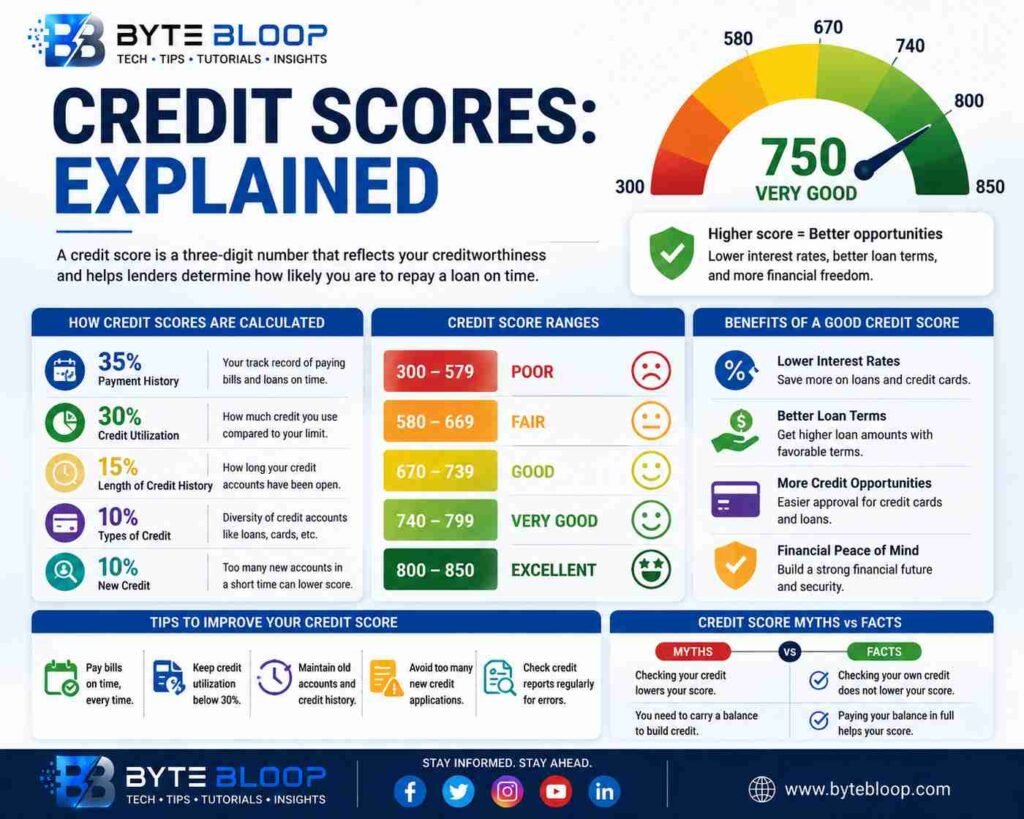
Credit Scores: Explained Introduction A credit score is a three-digit number that reflects an individual’s creditworthiness, typically ranging from 300 to 900. It is a…

Gaming Laptops: Explained Introduction Gaming laptops have become increasingly popular over the years, offering a portable and powerful way to play games on the go….