Educational Podcasts: Explained
Introduction
This guide covers educational podcasts explained in detail. Understanding educational podcasts explained helps readers make better, more informed decisions.
In today’s fast‑paced world, learning on the go has become a staple for professionals, students, and lifelong learners alike. Educational podcasts—audio series that focus on academic subjects, skill development, and industry insights—offer a flexible and engaging way to absorb new knowledge. They blend expert interviews, storytelling, and actionable take‑aways, making complex topics accessible without the need for a classroom. The rise of platforms like Spotify, Apple Podcasts, and specialized educational networks has democratized content creation, allowing educators and thought leaders to reach global audiences. As of 2026, the podcast landscape includes hundreds of shows dedicated to everything from cognitive science to teaching strategies, with curated lists highlighting the best in the field. Whether you’re a teacher looking to enrich your lesson plans, a product manager seeking market trends, or a curious mind eager to explore history, there’s a podcast tailored to your interests. However, not all podcasts deliver equal value; discerning listeners must consider credibility, depth, and relevance. This guide walks you through what makes an educational podcast effective, how to choose the right ones, and practical tips for integrating them into your learning routine. Understanding educational podcasts explained helps readers make better, more informed decisions.
What Sets Educational Podcasts Apart — educational podcasts explained
Unlike entertainment podcasts, educational ones prioritize accuracy, structured content, and learning outcomes. They often feature: Understanding educational podcasts explained helps readers make better, more informed decisions.
- Expert hosts who bring subject‑matter authority.
- Evidence‑based segments that cite research or real‑world data.
- Clear learning objectives outlined at the episode’s start.
- Interactive elements like quizzes or prompts for reflection.
Top Categories and Notable Shows
Curated lists from 2026 highlight a range of genres: Understanding educational podcasts explained helps readers make better, more informed decisions.
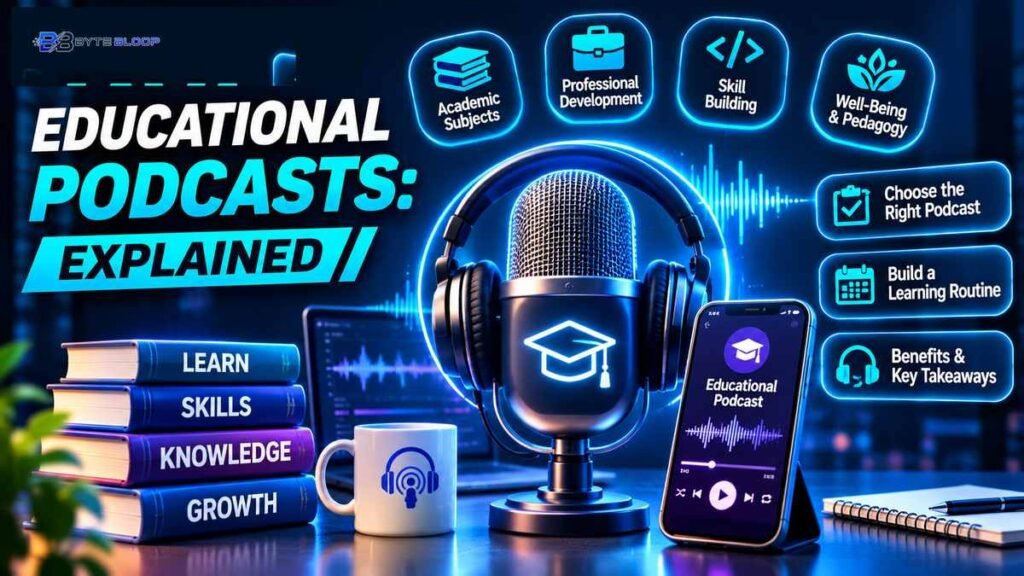
- Academic Foundations – podcasts covering history, literature, and science fundamentals.
- Professional Development – shows aimed at product managers, educators, and industry leaders.
- Skill‑Building – episodes focused on coding, data analysis, public speaking, and creative writing.
- Well‑Being & Pedagogy – resources for teachers on classroom psychology and inclusive practices.
Examples include Discover Pods’ “30 Best Educational Podcasts of 2026”, Aakash Gupta’s “10 Best Podcasts for Learning”, and Education Endowment Foundation’s research‑driven series. Understanding educational podcasts explained helps readers make better, more informed decisions.
How to Choose the Right Podcast
With so many options, a systematic approach saves time: Understanding educational podcasts explained helps readers make better, more informed decisions.
- Define your goal—skill acquisition, subject mastery, or inspiration.
- Check the host’s credentials and episode structure.
- Read reviews or episode summaries for relevance.
- Sample a few episodes to gauge tone and pacing.
- Consider episode length; shorter segments fit commutes, longer ones suit deep dives.
Integrating Podcasts into Your Learning Routine
Listening is only the first step; active engagement maximizes retention:
- Take brief notes or use a voice recorder to summarize key points.
- Apply concepts immediately—teach a colleague or write a reflection.
- Set a schedule; consistency beats marathon listening.
- Join discussion forums or podcast communities to exchange insights.
Common Pitfalls to Avoid
Even the best podcasts can fall short if:
- They lack depth, offering surface‑level coverage.
- They rely on anecdote over evidence.
- They are inconsistent in release cadence.
- They ignore diverse perspectives, leading to bias.
By staying alert to these issues, you can curate a high‑quality listening list that truly supports your educational goals.
Key Takeaways
- Educational podcasts blend expert insight with engaging storytelling for flexible learning.
- Curated lists in 2026 cover diverse fields—from cognitive science to teaching strategies.
- Choosing a podcast requires clear goals, host credibility, and episode relevance.
- Active listening—note‑taking, application, and community engagement—boosts retention.
- Beware of shallow content, anecdotal bias, and inconsistent releases.
Frequently Asked Questions
What is an educational podcast?
An educational podcast is an audio series designed to teach listeners about academic subjects, professional skills, or industry trends, featuring experts, evidence‑based content, and clear learning objectives.
What are the key features of a high‑quality educational podcast?
Credible hosts, structured episodes with learning goals, evidence‑based discussions, interactive prompts, and consistent release schedules.
What are the best use cases for educational podcasts?
They are ideal for commuters, busy professionals, teachers seeking lesson ideas, students needing supplementary material, and anyone who prefers auditory learning.
What are the pros and cons of relying on podcasts for learning?
Pros include flexibility, accessibility, and engaging formats; cons involve potential lack of depth, variable quality, and the need for active listening to retain information.
Conclusion
Based on the available information and industry analysis, educational podcasts provide a versatile, evidence‑based platform that adapts to diverse learning styles, making complex knowledge accessible on the move. By selecting shows with credible hosts, structured content, and active engagement strategies, listeners can transform casual audio into a powerful educational tool that complements traditional study methods.
Related Reading
- How to Build a Personal Learning Path with Podcasts
Related Articles